Home > Sustainability > ESG Strategy
ESG Strategy
ESG refers to set of criteria used by organisations to evaluate a company’s performance and impacts in three key areas of Environment, Social & Governance
What is ESG Integration ?
Incorporating environmental, social and governance factors into company’s operations, management practices and decision-making processes:
- Environment: focuses on a company’s efforts to minimize negative impacts on the environment
- Social: examines how a company manages relationships with various stakeholders
- Governance: refers to systems, processes and structures that govern a company’s operations and decision making
The case for ESG
- Focus on material Issues
- Understanding verifiable and quantifiable impacts
- Efficiencies through functional Integration and optimization
- Reimagining alternative revenue opportunities
- Brand value – Narrative to Stakeholders
ESG Risks & Opportunities
“Mining Risks and Opportunities Study’ has revealed that, although environmental, social and corporate governance (ESG) factors pose the biggest risk for miners, it also represents their biggest opportunity to drive differentiation and improvements that will create long-term value for all stakeholders” Quintin Hobbs
Our Commitments and Priorities
Debswana is committed to advancing industry standards, enhancing the transparency of business processes and improving livelihoods of communities within which we operate and the entire nation of Botswana: through integrating consideration of ESG into its business processes.
Our Priorities for ESG Integration
- Integration of ESG requirements into operational business plans and activities
- Developing and maintaining and ESG data management platform for transparent reporting
- Identifying opportunities for sustainability/green financing
- Partnering & collaboration with organisation within the diamond value chain and other stakeholders that can contribute to our ESG journey (public, private & social )
- Periodically reviewing and aligning our ESG commitments to ensure that it remains current and relevant
Our Approach
Our Approach to achieving ESG Commitments:
- Assessment and Materiality Assessment
- Stakeholder engagement
- Goal Setting & Strategy Development
- Integration into Business Operations
- Defining ESG governance process
- Defining an approach for adoption/adaption of standards
- Defining reporting assurances
- Implementing a data management system
- Capacity Building & Training
- Monitoring & measurement
- Reporting:
Our Delivery Framework
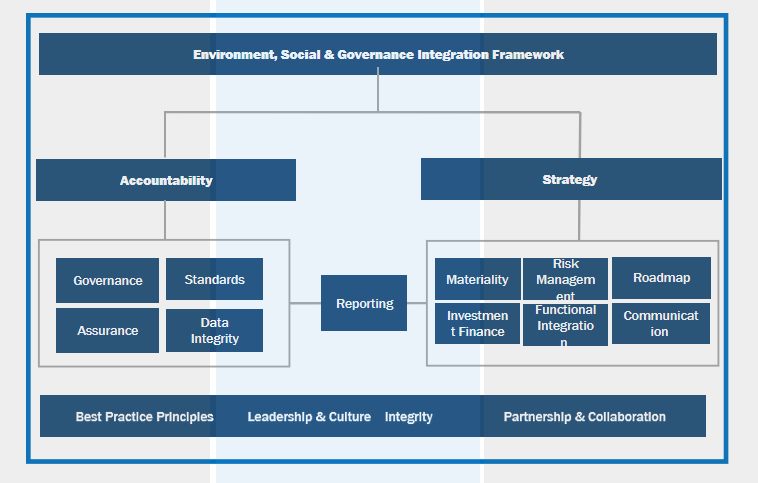
The ESG Integration Framework is designed to navigate the intricate landscape of ESG
- Accountability: ensure that Transparency and Integrity are at the core of the work we do
- Strategy: Company’s approach to integrating ESG consideration into its operations, decision making process & overall business.
The success of the integration is underpinned by the foundations of:
- Best Practice Principles
- Leadership & Culture
- Integrity
- Partnership & Collaboration
Board and Executive accountability and oversight of our ESG portfolio is through our Board and Corporate Sustainability Committees.
- Board Sustainability Committee
- Corporate Sustainability Committee
- Governance Risk and Compliance Committee
We have processes for broad scanning identifying best practice standards and further ensure compliance across our business.
- Global Reporting initiative
- ISO Management Systems 14001 & 45001
- Best Practice Principles & Responsible Jewelry Council
- Towards Sustainable Mining
We are establishing robust processes for collecting, collating, approvals and analysis of our ESG data.
- Process development for ownership, accessibility, security, quality and knowledge management.
Our assuarance process include four levels of defense. Providing confidence to our stakeholders on the integrity of our work.
- Level 1: Self-assessment against standards
- Level 2: Technical led assuarance
- Level 3: Combined and third-party assurance
- Level 4: External assuarance
Significance of environmental, social & governance factors to company’s business operations, performance & stakeholders
- Company Materiality Assessment
Identifying, assessing, mitigating & monitoring risks related to ESG
- Baseline Risk Assessment
- Consolidated Risk Assessment
- Identification of Top Risks
- Emerging Risks
Creating a strategic plan to integrate ESG considerations into company’s business operations, governance practices & stakeholder engagements
- Pathways
- Milestones
Incorporation of ESG considerations into various functional areas within the organization
- Sustainability Linked Loans
- Financial Disclosures Standards
Practice of incorporating ESG criteria into investment decisions & strategies
- Goal Leads working Group
- Debswana ODOT Strategy
Transparently sharing information about a company’s ESG performance, initiatives & impacts to stakeholders
- RTS
- Webinars
- Newsletter
Our delivery Framework: Reporting
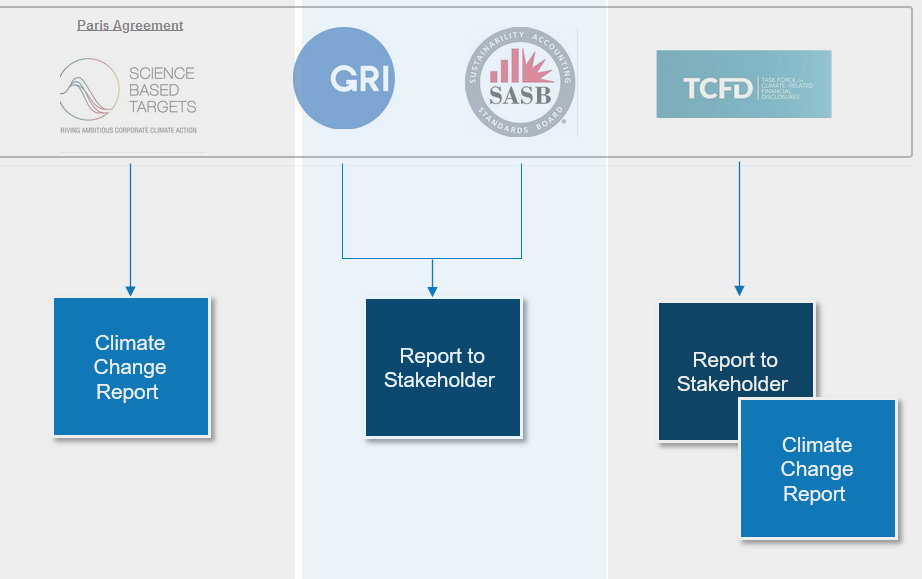
- Through Report to Stakeholders (RTS) Debswana provides an overview of the company’s activities and performance
- RTS is aligned with the Global Reporting Initiative (GRI) Sustainability Reporting Standards
- Adoption of SASB, Science based Targets and TCFD is underway with the later focusing on climate change reporting